
Wood vs. Vinyl Fence: The Pros and Cons
Evaluating material options for outdoor property boundaries requires balancing initial financial commitments against long-term performance expectations. Choosing between natural timber and synthetic polyvinyl chloride represents a fundamental decision that affects immediate curb appeal, ongoing maintenance obligations, and total cost of ownership over several decades. Both options provide effective perimeter security and personal privacy, yet their structural properties create vastly different ownership experiences.
Understanding how these materials handle environmental exposure, physical impact, and everyday wear helps clarify which selection best serves specific residential requirements and budget constraints. Homeowners often rely on professional fence builders to navigate these structural variables and establish a secure, level perimeter that enhances total property value. Thorough planning ensures the selected barrier delivers long-lasting structural performance for decades.
Financial planning for perimeter installation involves analyzing both immediate expenditures and recurring upkeep costs. Traditional timber option generally demands lower upfront capital for raw materials, making it a common choice for immediate perimeter installation. However, long-term costs accumulate through required treatments, sealant applications, dynamic repair needs, and potential early replacement.
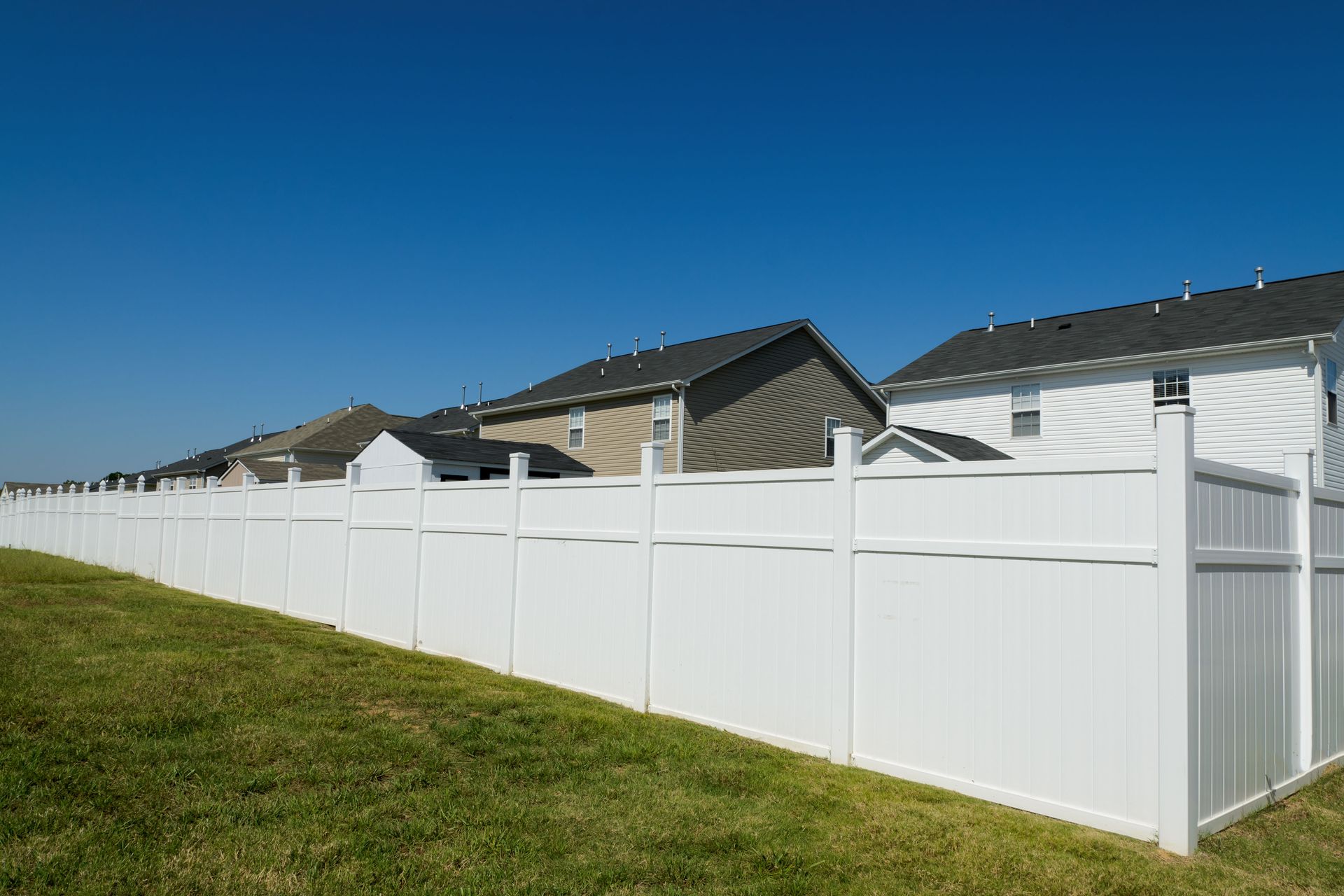
Vinyl fences, with their durability and low maintenance profile, present a compelling value proposition for those seeking long-term solutions. The superior lifespan of vinyl, typically between 10 and 30 years according to Bob Vila, underscores its potential as a reliable investment. Comparing short-term expenses with multi-decade replacement schedules helps homeowners allocate their home improvement budgets effectively.
Analyzing Initial Expenses And Material Investments
Determining the total expenditure for a new perimeter barrier begins with evaluating material supply requirements and specialized installation labor. Natural lumber generally presents lower immediate material costs, which appeals to property owners managing strict immediate project budgets. Synthetics carry a higher upfront purchase price because of advanced chemical manufacturing processes and precision interlocking engineering.
Working with certified fence builders ensures accurate project quotes that account for precise post depth, soil conditions, and spatial grading requirements. Beyond raw panel prices, overall financial value includes long-term structural endurance and anticipated market equity. Synthetic panels preserve uniform coloration and surface integrity without continuous investments in protective coatings or moisture treatments.
Timber installations deliver a classic residential aesthetic, but their continuous need for power washing, board replacements, and surface refinishing steadily increases total lifetime expenditure. Real estate market assessments often show elevated returns for synthetic barriers, as potential home buyers consistently value durable fixtures that do not demand immediate upkeep. Factoring in future resale value often justifies higher initial material outlays for property owners looking to maximize return.
Assessing Ongoing Maintenance Requirements And Upkeep Effort
Long-term preservation demands vary drastically between natural biological materials and engineered synthetics. Standard lumber reacts constantly to environmental conditions, expanding and contracting with fluctuations in local ambient humidity and seasonal temperature swings. Without routine applications of oil-based stains, waterproof sealants, or exterior paints, wood fibers quickly absorb surface moisture.
This exposure leads to internal structural decay, surface splitting, warping, and potential insect infestation. Homeowners must dedicate substantial time and financial resources every few seasons to keep timber boundaries structurally sound and visually attractive. Routine inspections allow homeowners to catch early signs of rot before major structural failures occur.
In contrast, synthetic polyvinyl chloride offers an impenetrable surface barrier that completely resists moisture infiltration and common pest damage. Maintaining these synthetic surfaces requires nothing more than an occasional rinse with standard hose water and mild household cleaners to lift surface dust or splash marks. The material holds its factory-infused pigmentation throughout its lifespan, eliminating the need for periodic repainting or surface sanding.
Property owners seeking low-maintenance exterior solutions frequently contract fence builders to erect high-grade synthetic boundaries that remain stable through severe weather without ongoing physical intervention. Eliminating routine staining tasks saves considerable time and ongoing chemical costs over the life of the barrier.
Comparing Visual Appeal And Design Flexibility
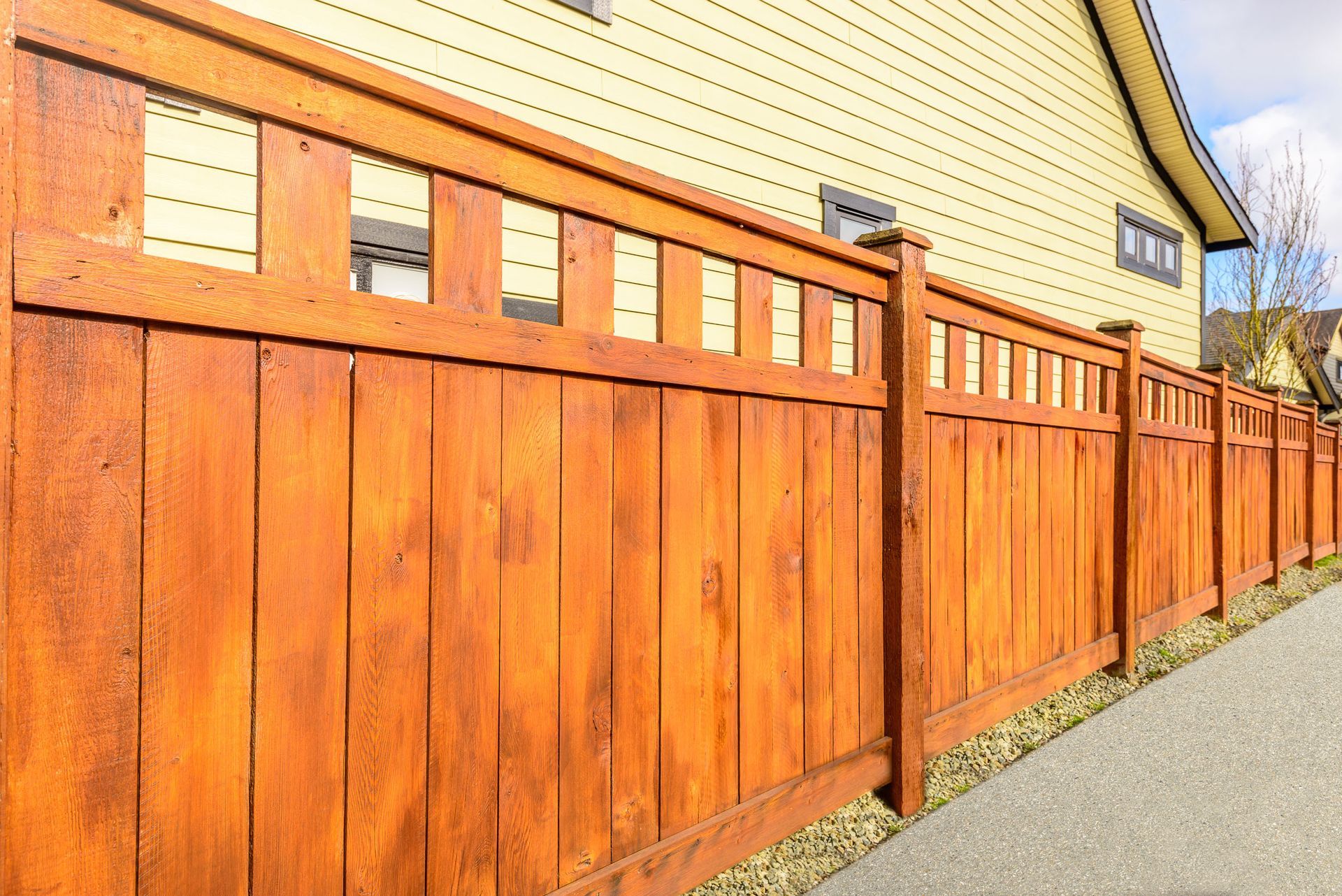
Visual compatibility with existing residential architecture remains a primary consideration during perimeter material selection. Natural lumber provides an authentic, traditional warmth that complements classic architectural styles, cottage layouts, and heavily wooded landscapes. The material allows complete creative freedom regarding post tops, custom board spacing, and custom paint or stain colors.
Homeowners can periodically alter the shade or tone of a timber perimeter to match updated home exteriors, offering distinct design versatility over time. Custom carpentry techniques enable personalized touches that distinctively match the existing home architecture.
Synthetic materials feature clean, uniform lines and a crisp contemporary finish that pairs well with modern architecture and structured residential landscaping. Precision manufacturing delivers identical panel dimensions, concealed fasteners, and integrated decorative accents such as lattice tops or capped posts. Advanced production methods also allow synthetic products to replicate natural wood grain textures and rich earthen tones while preserving their inherent weather resistance.
Consulting experienced fence builders helps property owners select panel styles, heights, and border profiles that seamlessly complement existing outdoor structures and natural yard contours. Careful alignment with surrounding landscape elements ensures a cohesive look across the entire yard area.
Evaluating Environmental Sustainability And Lifespan Factors
Environmental impact evaluations must balance raw material harvesting against total operational longevity and end-of-life disposal. Natural timber comes from a fully renewable resource, especially when sourced from responsibly managed forests holding eco-friendly forestry certifications. Untreated lumber decomposes naturally at the end of its useful lifespan, returning organic nutrients to the surrounding soil without leaving hazardous chemical residues.
However, keeping wood structurally sound over decades often requires chemical preservatives, synthetic stains, and specialized insect treatments that complicate its overall environmental footprint. Sustainable forestry certifications allow environmentally conscious consumers to verify responsibly harvested timber products.
Synthetic vinyl manufacturing relies on non-renewable petroleum resources and energy-intensive manufacturing processes, raising initial environmental concerns. Despite these production impacts, synthetic panels offset their initial carbon footprint through exceptional structural durability and an extended service lifespan. Because vinyl never requires chemical stains, paint strippers, or pesticide treatments, it prevents harmful chemical runoff into nearby garden beds and local groundwater systems.
Experienced fence builders often work with recycling facilities to process post-consumer synthetic materials, ensuring removed components are reprocessed into new industrial products rather than sent to municipal landfills. Evaluating the complete life cycle of each material offers clear perspective on long-term ecological consequences.
Measuring Structural Resilience In Severe Weather Conditions
Resistance to harsh weather conditions dictates how well a property boundary retains its structural integrity and visual appeal over decades. High winds, heavy snow loads, intense rain, and prolonged solar exposure can rapidly degrade low-grade exterior installations. Timber absorbs ambient ground moisture and rain, which causes individual boards to warp, twist, and loosen from their structural posts over time.
Freezing winter temperatures expand trapped internal moisture, creating internal stress fractures that undermine structural integrity and necessitate post replacements. Regional atmospheric conditions play a decisive role in determining how quickly untreated organic fibers degrade.
Engineered synthetic materials demonstrate superior resilience against extreme temperature swings and persistent precipitation. High-grade synthetic formulations include specialized ultraviolet inhibitors that block harmful solar radiation, preventing chalking, surface cracking, and deep color fading. The non-porous composition completely prevents water absorption, eliminating rot, mold cultivation, and structural weakening caused by freeze-thaw cycles.
Qualified fence builders ensure heavy-duty posts are anchored securely in deep concrete footings, providing maximum wind resistance and stability during severe weather events. Robust construction safeguards your investment against unpredictable localized weather shifts throughout the changing seasons.
Choosing the right boundary material ultimately depends on evaluating immediate project budgets against long-term maintenance preferences and aesthetic goals. Traditional wood delivers natural, customizable warmth but demands continuous physical upkeep and financial commitment to prevent environmental decay. High-grade vinyl provides a sleek, modern aesthetic backed by extreme weather resistance and virtually effortless long-term care.
Partnering with reputable
fence builders guarantees expert material selection, accurate site preparation, and sound construction techniques tailored to your property. Contact Garrett Fence Co today to schedule a detailed project consultation, request an accurate estimate, and transform your outdoor space with a durable perimeter solution. Taking action now ensures your property gains immediate privacy, security, and refined boundary definition for years to come.


Share On: