
6 Privacy Fence Design Ideas to Boost Curb Appeal
A privacy fence can do more than define property boundaries. The right design can improve a home's exterior, create a more comfortable outdoor environment, and complement existing landscaping. Homeowners have several options when selecting materials, colors, and layouts, making it possible to balance privacy with visual appeal.
Wood, vinyl, and composite fencing each offer different advantages in appearance, durability, and maintenance. The right choice depends on the home's architectural style, the amount of privacy desired, and the time a homeowner wants to spend maintaining the fence. Exploring different designs can help property owners identify an option that suits their outdoor space while providing lasting functionality.
Before choosing a design, homeowners should also consider how the fence will function within the overall property. Factors such as yard size, existing structures, landscaping, and neighboring properties can influence the most suitable layout. A well-planned fence should complement the home's exterior while providing practical benefits that support everyday outdoor living.
1. Adding Traditional Charm With Wooden Privacy Fences
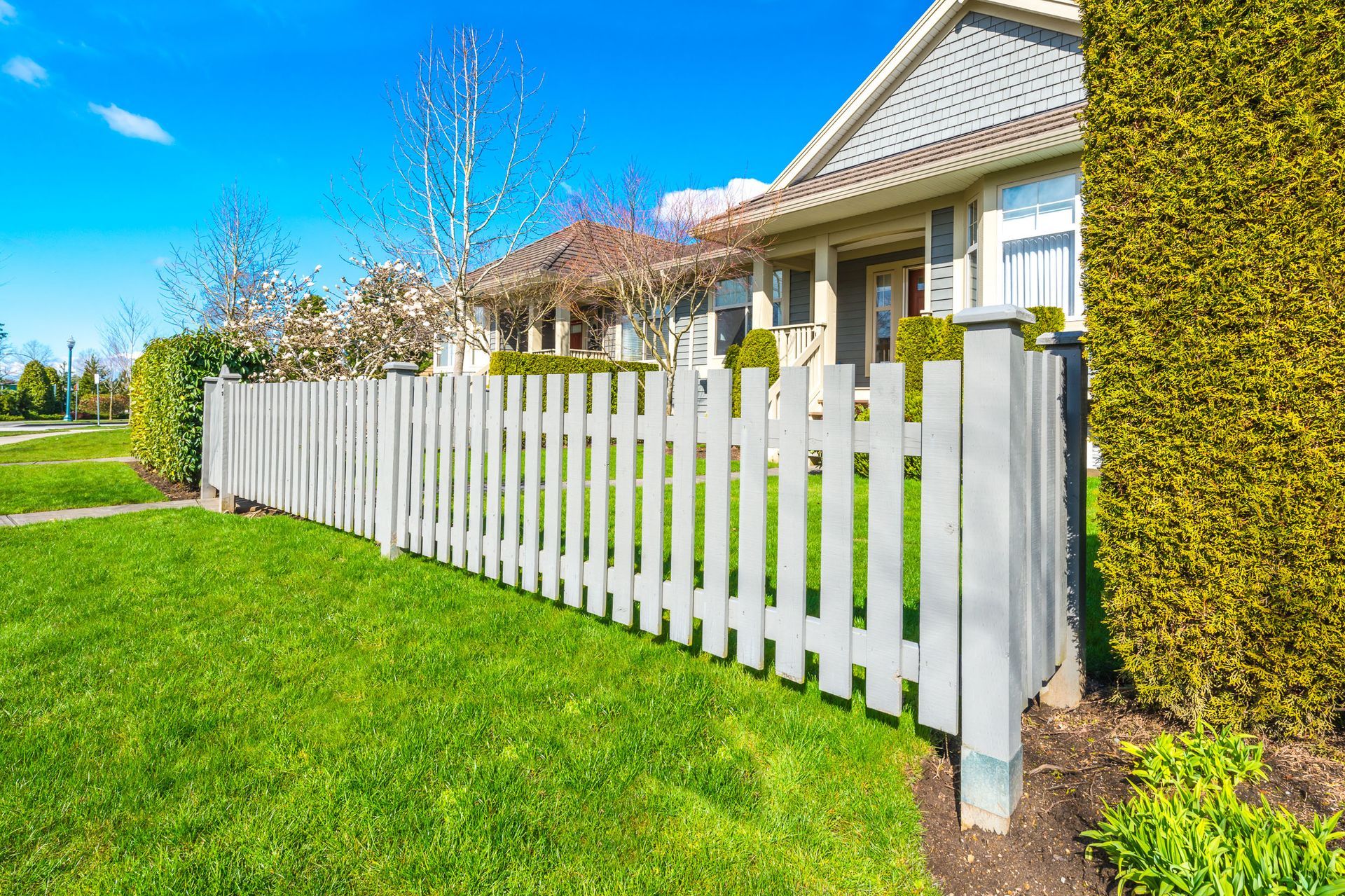
Wooden privacy fences remain a popular option for homeowners who appreciate natural materials and classic appearances. Solid vertical boards create a traditional design that provides substantial coverage while establishing a clear boundary around a yard. Closely spaced boards also help create a more secluded outdoor area for entertaining, relaxing, or spending time with family.
Several design variations can give a wooden fence a distinctive appearance. Board-on-board layouts use overlapping boards to create a consistent appearance from different viewing angles. Shadowbox designs alternate boards on opposite sides of the fence, creating visual interest while allowing some airflow. Decorative lattice sections along the top can also introduce additional detail without changing the overall traditional appearance.
Wood offers flexibility in color and finish, allowing homeowners to coordinate the fence with their home's exterior and landscaping. Natural wood tones can complement gardens and outdoor features, while painted finishes provide additional customization. According to HomeGuide, privacy fences commonly stand between 6 and 8 feet tall, although appropriate height depends on property requirements and local regulations. Homeowners should consider these factors when planning a design that provides suitable coverage.
2. Creating a Clean, Modern Look With Vinyl Fencing
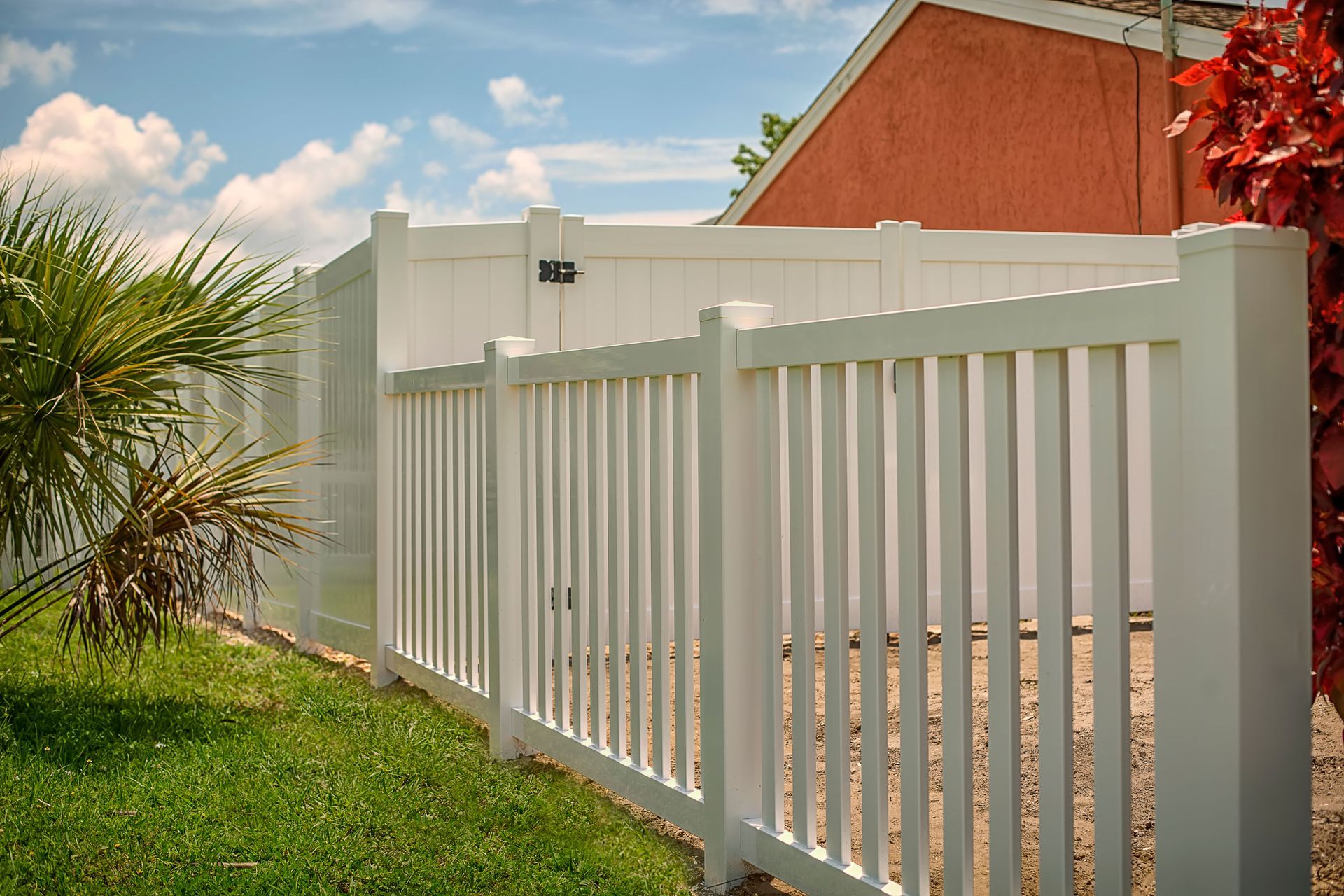
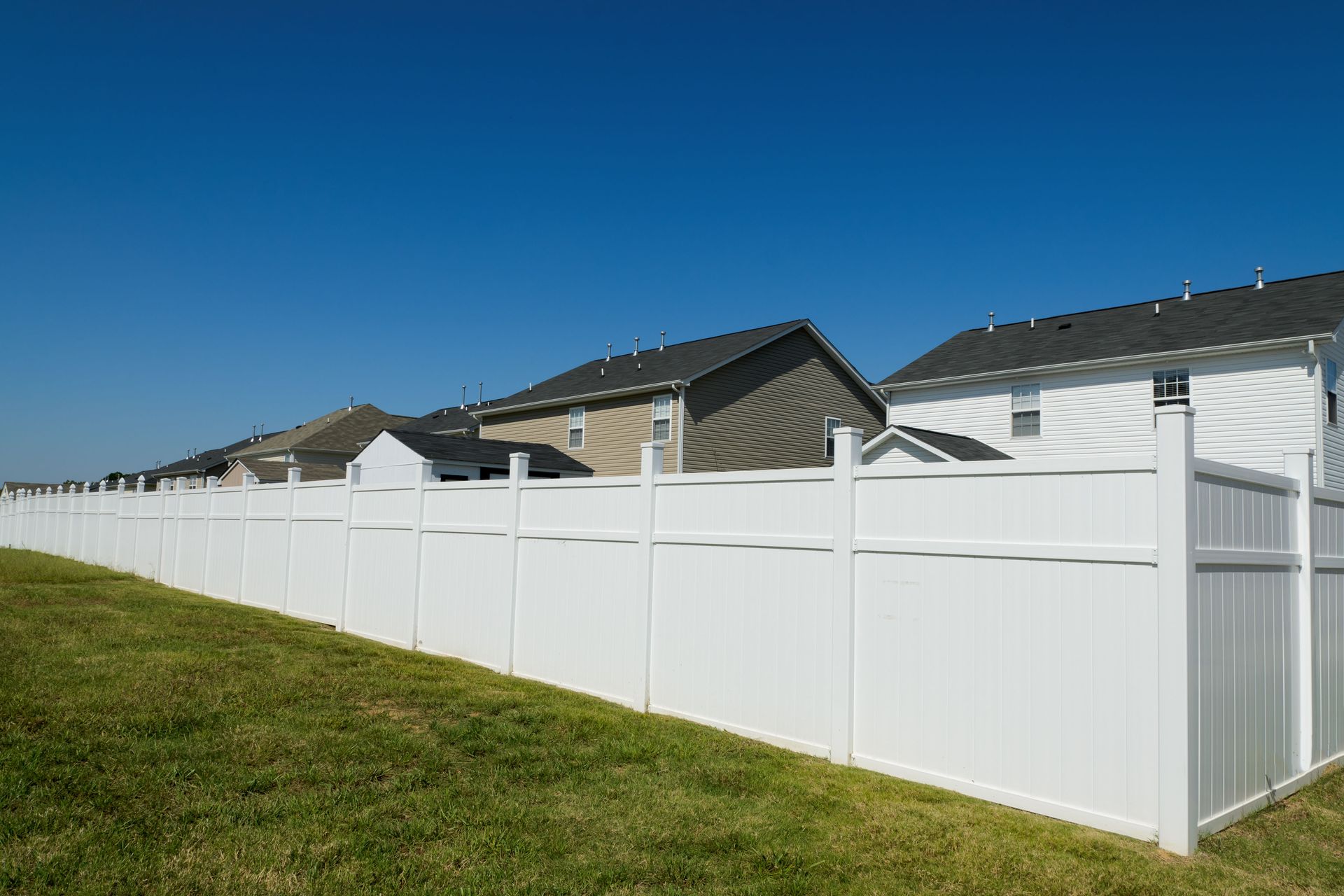
Vinyl privacy fencing offers a clean appearance that works well with many residential architectural styles. Its smooth surfaces and consistent construction create a neat, uniform boundary around a property. Solid vinyl panels are particularly useful for homeowners who want to limit visibility into their yards while maintaining an orderly outdoor appearance.
Color selection is another important part of vinyl fence design. White remains a familiar choice for traditional homes, while tan, gray, and other neutral shades can complement contemporary exteriors. Some vinyl products also feature wood-grain textures that provide a natural appearance without requiring the same maintenance associated with traditional wood.
Panel arrangements can further influence the finished appearance. Straight horizontal lines create a simple, understated look, while traditional vertical panels offer a more familiar residential style. Matching the fence color to exterior trim, siding, or other property features can help create a coordinated appearance.
3. Exploring the Natural Appearance of Composite Fencing
Composite privacy fencing provides another option for homeowners interested in combining material performance with an attractive appearance. These products are typically manufactured using a combination of recycled wood fibers and plastic. This construction offers an alternative to traditional wood while retaining some of the visual characteristics associated with natural materials.
Composite panels can create a consistent, finished appearance across larger sections of a yard. Their colors and textures can complement different architectural styles, making them suitable for properties with traditional or contemporary features. Homeowners can consider whether a smooth finish or a wood-inspired appearance better suits their existing outdoor design.
Material composition and product specifications vary, so homeowners should review available options before making a decision. Composite fencing can be a practical consideration for those seeking an alternative to conventional wood or vinyl. Comparing appearance, maintenance expectations, and available styles can help determine whether it fits the property's needs.
4. Choosing Colors and Finishes That Complement Your Home
Color plays an important role in how a privacy fence affects curb appeal. A fence that complements the home's exterior can create a more cohesive appearance, while a contrasting shade can establish a noticeable design feature. Homeowners should consider siding, roofing, exterior trim, and landscaping when comparing available finishes.
Natural wood tones often work well with homes featuring traditional architectural details or extensive landscaping. Lighter vinyl colors can create a bright, classic appearance, while darker neutral shades provide a more understated look. Composite finishes can also offer wood-inspired textures that complement natural outdoor surroundings.
Consistency is another important consideration. Matching fence colors to existing exterior elements can help connect different areas of the property visually. Homeowners should also consider how sunlight and surrounding vegetation affect the appearance of a selected color throughout the day.
When comparing materials, it is helpful to look at actual product samples rather than relying exclusively on pictures. Different finishes can appear lighter or darker depending on lighting conditions and surrounding surfaces. Considering these details before installation can help homeowners select a fence that complements their property's overall design.
5. Defining Outdoor Living Areas With Privacy Fencing
A well-planned privacy fence can make outdoor areas more comfortable and functional. Solid panels help limit visibility from neighboring properties, creating a more secluded environment for patios, swimming pools, and backyard seating areas. They can also establish a defined perimeter that separates outdoor living spaces from surrounding properties or nearby streets.
Property layout should influence the placement and design of the fence. Homeowners may want more coverage along property lines that face roads or neighboring yards while maintaining convenient access to other outdoor areas. Gates provide practical entry points, and their placement should complement the overall fence layout.
Privacy requirements also vary depending on the property. Some homeowners prioritize complete visual coverage, while others want a design that balances enclosure with an attractive appearance. Experienced fence contractors can help evaluate the property layout and discuss suitable materials, heights, and installation options.
6. Planning Fence Placement for a Polished Appearance
Selecting a privacy fence involves more than choosing a particular color or appearance. Homeowners should compare material durability, maintenance requirements, installation considerations, and overall project costs. These factors can help narrow the available options and establish realistic expectations for long-term ownership.
Wood, vinyl, and composite materials each have different characteristics. Wood provides a traditional appearance and can be customized with various finishes, but it requires periodic upkeep. Vinyl offers a consistent appearance with relatively simple maintenance, while composite provides an alternative that combines recycled wood fibers and plastic.
The right privacy fence can improve a property's appearance while providing a more secluded and functional outdoor environment. Wood, vinyl, and composite materials offer different design possibilities, maintenance expectations, and visual characteristics. By considering the home's architecture, landscaping, and privacy requirements, homeowners can select a fence that complements their property and meets their practical needs.
Careful planning also helps homeowners make informed decisions about fence height, colors, panel styles, and placement. Professional installation can help ensure that the finished fence fits the property and provides the intended coverage. Garrett Fence Co offers wood, vinyl, and composite privacy fencing, along with professional installation and free estimates, so contact Garrett Fence Co to discuss your project and explore available options.


Share On: